Alabama Concrete Cleaning Guide: How to Clean Oil Stains and Red Clay from Driveways
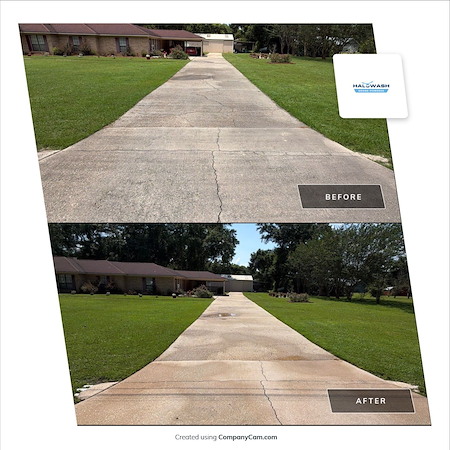
Alabama driveways take a beating. Hot summers, pop-up storms, and iron-rich red clay leave deep discoloration that a garden hose cannot touch. Oil drips from daily parking soak into porous concrete and shadow long after the spill. That is why homeowners across Alabama rely on professional driveway cleaning that pairs the right chemistry with even, controlled cleaning.
This Alabama concrete cleaning guide is built for results, not guesswork. If you want a quick overview of the full scope of exterior care in one place, bookmark our Alabama concrete cleaning guide from Halo Wash and use it when you are planning seasonal maintenance.
Why Alabama Concrete Holds On To Oil And Red Clay
Concrete is strong, yet it acts like a sponge. Microscopic pores and tiny air voids trap liquids and fine soil. When oil or transmission fluid lands on your driveway, molecules wick into the paste layer beneath the surface. Over time they polymerize with heat from the sun and tire friction, which is why some stains lighten but do not disappear after a single visit.
Red clay is a different problem. Much of Alabama’s soil contains iron oxides that tint runoff a rusty red. Those particles bind to the surface and into pores. If you live near the Gulf or a shaded street in Birmingham, Montgomery, or Mobile, frequent humidity helps that residue cling even harder.
Professional Process For Safe Driveway Brightening In Alabama
Great results come from process, not just pressure. Alabama concrete brightening works best when professionals match chemistry, dwell time, and cleaning pattern to the surface. Halo Wash follows a measured approach that respects the concrete and your landscaping while targeting what makes the slab look dark.
- Surface variables: paste hardness, finish type (broomed, stamped), age, previous sealers, and exposure to shade or irrigation overspray.
- Environmental factors: slab and air temperature, humidity, wind, and how water will drain away from beds and storm inlets.
- Stain profile: automotive oils, hot tire marks, orange iron tint, leaf tannins, and algae films from shaded edges.
Technicians pre-treat spots with professional-grade, biodegradable degreasers designed for concrete. For red clay and orange tint, they use iron-targeted solutions that loosen mineral staining without harsh acids. Cleaning is performed with a rotating surface cleaner that applies consistent, overlapping passes so the finish turns out even from garage to curb.
Local tip: Alabama humidity slows evaporation. Mid-morning appointments let pretreatments dwell long enough to work and still dry before afternoon storms. This timing reduces striping and helps produce a more uniform finish.
Oil Stains: What Realistic Results Look Like
Oil stains respond based on age and depth. Fresh drips tend to lift well under a degreaser treatment and controlled heat through the surface cleaner. Older stains that have baked through the paste layer often lighten a few shades in one service, then continue to fade with targeted follow-ups.
Honest expectations matter. Some concrete shows a faint shadow where oil penetrated deeply. A professional will explain where improvement is likely versus where the slab’s history may still show. For a plain-English walkthrough of service steps and typical outcomes, see our article on what to expect from driveway cleaning.
Red Clay And Orange Tint: Why It Needs Iron‑Targeted Chemistry
Red clay discoloration looks like ordinary dirt, but it behaves like a stain. The iron content binds to pores and does not rinse away with high pressure alone. Pros apply concrete-safe, iron-targeted cleaners that break that bond so the rotating surface cleaner can lift it evenly.
Avoid quick fixes that rely on raw, high pressure. Over-aggressive wands can etch the paste and leave visible stripes that collect grime faster later. Skip harsh muriatic acid on residential driveways. It can permanently change the texture, expose aggregate, and cause patchy light spots that never match the rest of the slab.
The Right Tools: Rotating Surface Cleaners Beat Raw Pressure
A rotating surface cleaner distributes energy evenly and helps prevent wand marks. It also keeps water under a shroud so slurry does not splash onto beds or entryways. When paired with concrete-specific detergents, this tool restores a uniform look across the whole slab rather than chasing spots with a narrow tip.
- Even overlap pattern for consistent brightening without streaks.
- Lower, safer working pressure because chemistry does the heavy lifting.
- Cleaner edges and joints when followed by a controlled rinse pattern.
Bottom line: a calibrated surface cleaner plus the right pretreatments outperforms brute force. That is how professionals brighten concrete while protecting the surface.
Climate And Soil Across Alabama: Set The Right Service Rhythm
Weather and soil type decide how often a driveway should be cleaned. Along the Gulf Coast from Mobile to Daphne and Spanish Fort, salt-laced air and daily humidity speed up organic films. Central Alabama neighborhoods with classic red clay track more mineral tint after heavy rain. River-region lawns near Montgomery can mark up driveways with irrigation overspray that leaves orange edges.
Many Alabama homeowners prefer a once-a-year cleaning for curb appeal and safety. Shaded, tree-lined lots or driveways that see frequent leaks may need a faster rhythm. Your technician will suggest a maintenance cadence that fits your slab’s exposure and traffic instead of a one-size-fits-all rule.
How Pros Protect Landscaping And Hardscape
Good cleaning respects the whole property. Crews route hoses so water flows to safe drainage and shield sensitive beds. They choose biodegradable detergents and neutralize specialty treatments after use. Protecting plants and managing runoff is part of professional quality, not an optional extra.
Edges and expansion joints get special attention because debris and algae hide there. A final, controlled rinse moves from the house to the curb to prevent backflow streaks and keeps the apron looking as bright as the center of the slab.
What Makes Results Last Longer In Alabama
Concrete always fights gravity and weather. Still, the right methods set you up for a clean look that lasts. Even, overlapping passes help prevent dirt-collecting stripes. Post-treatments address faint organic films that can bloom back after a storm. On driveways exposed to strong sun, polymers from hot tires are less likely to shadow when the slab is fully brightened and evenly rinsed.
Many homeowners choose to combine services seasonally so everything ages at the same pace. If your roof or siding looks tired too, pairing a driveway brightening with a roof cleaning or a gentle house wash can lift the overall look of the property heading into the holidays.
Concrete Types We See Across Alabama
Most residential driveways are broom-finished concrete. Newer subdivisions sometimes feature tighter finishes that show wand marks faster if someone cleans with too much pressure. Older homes may have patches where prior spalls or oil were treated, which can reflect light differently after cleaning.
Stamped or decorative concrete calls for a softer touch and solution adjustments. The goal is the same across all types: brighten the slab, respect the paste, and leave a uniform finish without chew marks or stripes.
How Halo Wash Delivers A Safer, Brighter Finish
Our process follows concrete science, not trends. Halo Wash uses professional-grade biodegradable degreasers that target automotive fluids without harming surrounding beds. Red clay and orange tint are treated with cleaners formulated for iron-rich soils common in Alabama. Cleaning is completed with rotating surface cleaners that produce consistent, even results across the entire driveway.
We stand behind the work with clear communication. You will know what can lighten in one visit and what may need staged follow-ups based on age, depth, and prior spills. If you want a quick refresher on service flow and outcomes, our team points clients to our driveway cleaning expectations guide so your family knows what the day will look like.
Planning Your Next Step
If your driveway shows oil spots, hot tire bands, or that unmistakable Alabama red tint, a measured professional clean is the safest way forward. Review our approach to driveway cleaning and you will see how controlled chemistry and even cleaning protect the surface while delivering a brighter entrance.
When you want the same thoughtful care for the entire exterior, our team can coordinate roof, siding, patios, and walkways to create a uniform, just-cleaned look. For roof-care method questions, our plain-language explainer on roof cleaning vs. soft washing is a helpful companion read.
Ready To Restore Your Concrete The Right Way
Alabama driveways do not need brute force. They need the right process. Call Halo Wash at 251-225-4256 to schedule a visit. If you are comparing options, start with a provider that uses biodegradable pretreatments, manages runoff, and cleans with rotating surface tools for a uniform finish. Your driveway will look brighter and feel safer underfoot after every rain.
When you are ready to roll, our team is here to help you reclaim curb appeal with a plan that fits your home and Alabama’s climate. Learn more about our approach and what to expect on the service page, then book your spot.
See our professional driveway cleaning approach and get on the schedule today with Halo Wash at 251-225-4256.